
Alpena Takes Another Step Toward Cleaner Water with Two New Rain Gardens
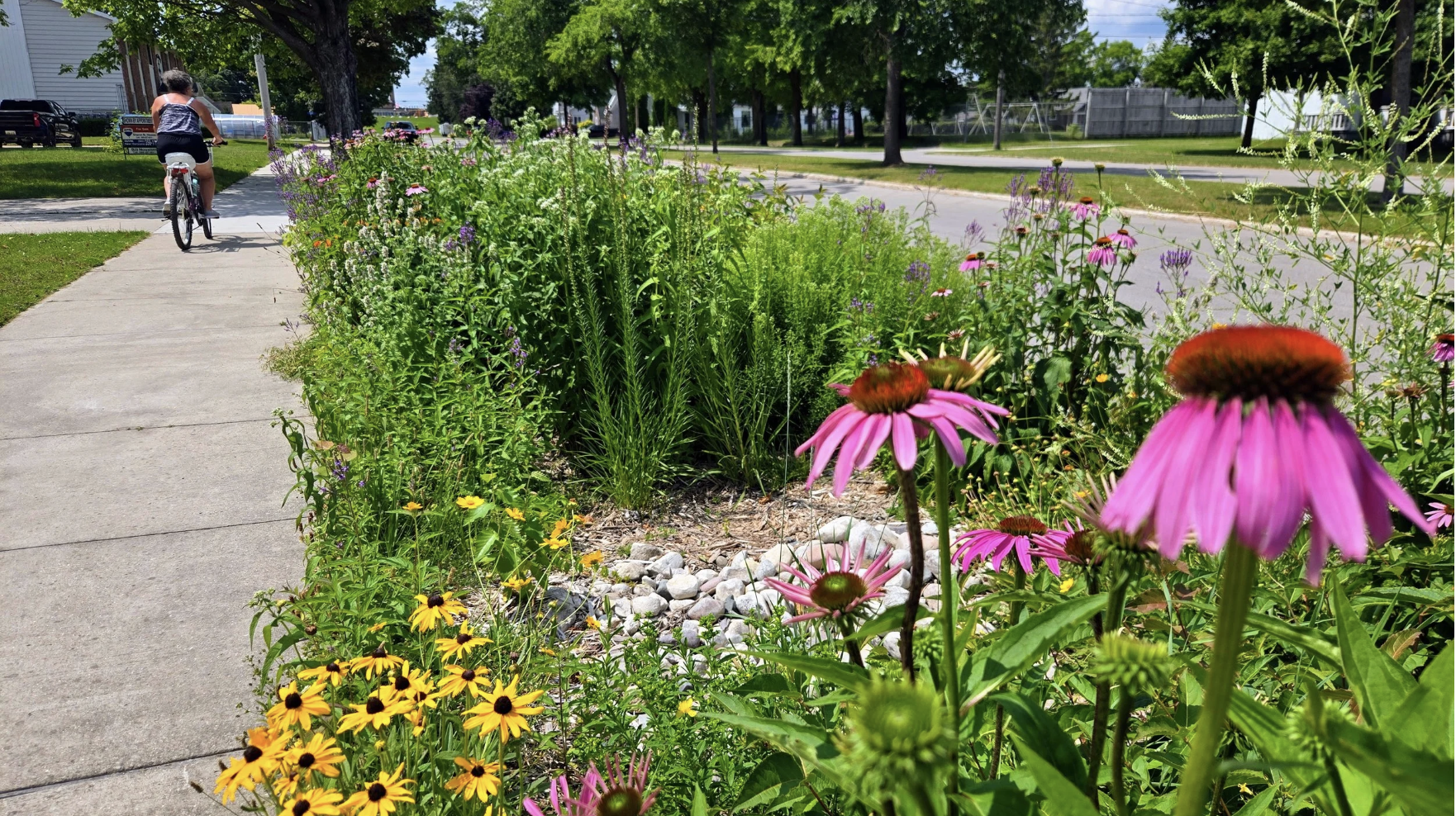
A rain garden which will soon take shape along River Street in Alpena will be similar to this one installed in 2023 on Michigan Avenue in Rogers City.
The City of Alpena is continuing its commitment to protecting Lake Huron with two new rain gardens in its downtown area. Developed in partnership with Huron Pines, these projects are part of a larger community-led effort to manage stormwater naturally, improve local habitats and protect water quality.
As a Lake Huron Forever community, Alpena is demonstrating how local action can make a lasting difference for the health of the lake.
Turning Community Ideas into Action
The two new rain gardens are the latest in a series of green infrastructure projects shaped by community input. In 2022, Huron Pines led a community visioning process that invited Alpena residents to share feedback on opportunities to improve stormwater management throughout the city.
Working together, the City of Alpena, Huron Pines and engineering firm Drummond Carpenter selected projects that would address local stormwater challenges while creating greener, more welcoming public spaces.
Since then, the community has seen improvements at Mich-e-ke-wis Park, Bay View Park, Center Alley and Culligan Plaza. The two new rain gardens will complete the suite of projects identified through the planning process.
“The City of Alpena took on the challenge of finding natural solutions for managing stormwater, engaged their community fully in the effort and implemented every idea in a span of just four years,” said Amy Nowakowski, Senior Project Manager for Huron Pines. “They knocked it out of the park and the community has a lot to show for it.”
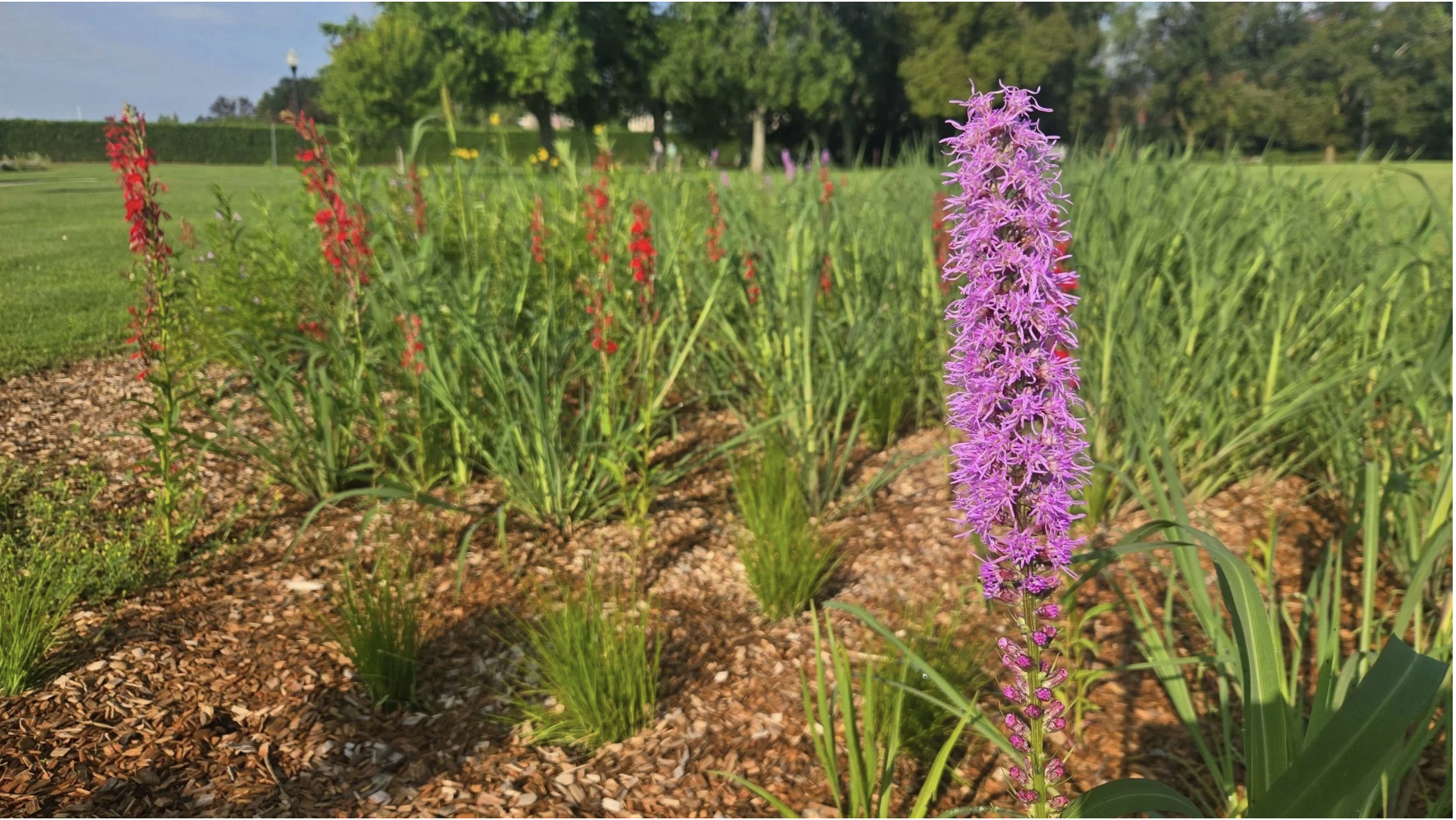
The Bay View rain garden in full bloom in summer 2026
Small Gardens, Big Benefits for Lake Huron
One rain garden will replace an existing cobblestone berm along River Street, near the intersection of North Third Avenue. Deep-rooted native plants will help capture and filter an estimated 165,000 gallons of stormwater annually before it reaches the Thunder Bay River.
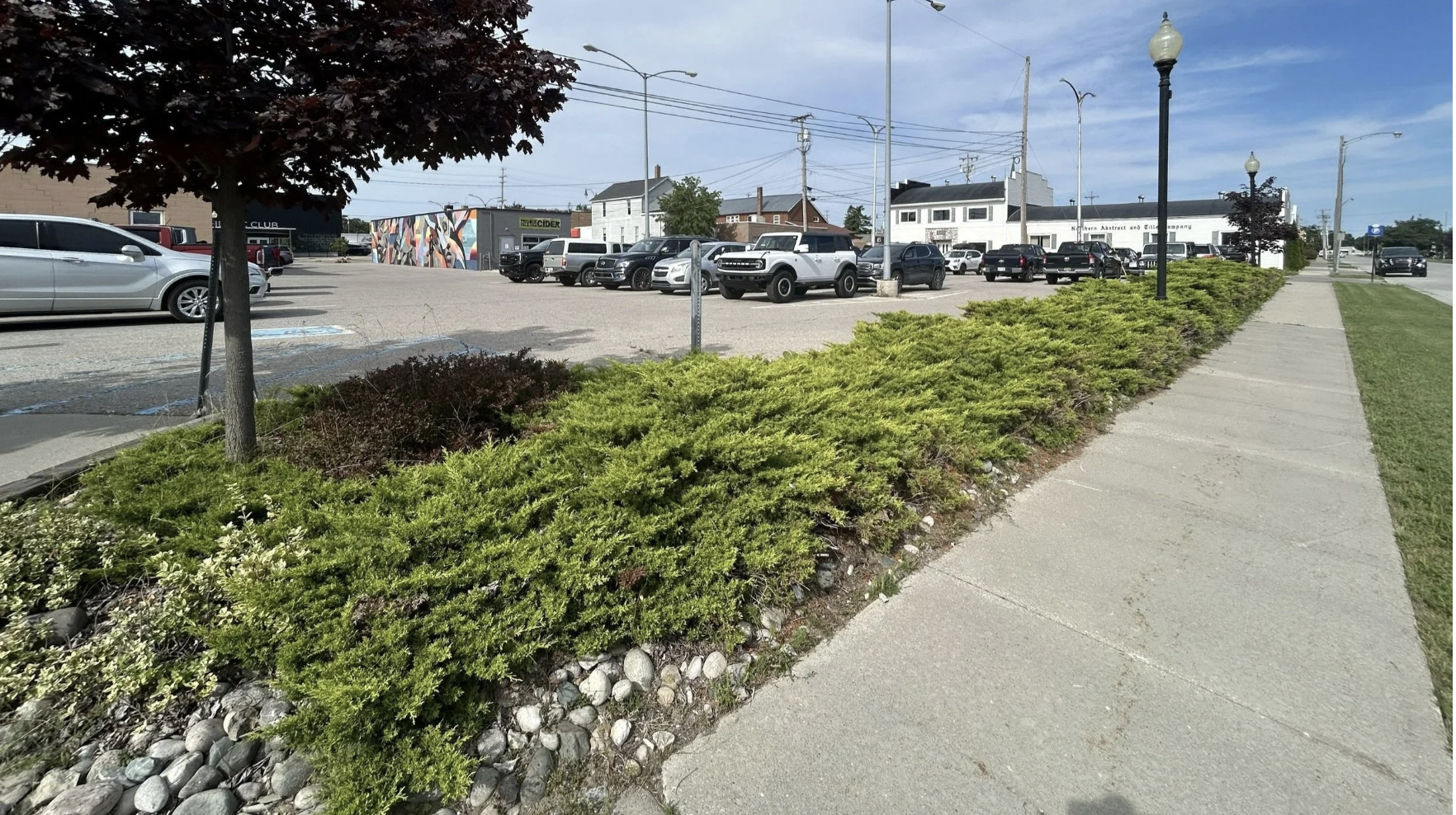
A cobblestone berm along River Street will be replaced with a rain garden this fall when the adjacent parking lot is renovated. The rain garden will capture and filter an estimated 165,000 gallons of stormwater per year before it can reach the Thunder Bay River.
A second garden, located near the Alpena Downtown Development Authority building at East Washington Avenue and West Chisholm Street, will transform an existing lawn into a colorful, pollinator-friendly space. Trees, shrubs and native wildflowers will capture runoff from the building's roof and surrounding streets while reducing pressure on the city's storm sewer system.
These improvements offer benefits that extend well beyond their footprint.
When rain and melting snow flow across roads, rooftops and parking lots, they can carry pollutants such as road salt, motor oil, sediment and excess fertilizer into nearby waterways. Rain gardens help slow that runoff, allowing water to soak into the ground and filter naturally through soil and plant roots.
For communities along Lake Huron, green stormwater infrastructure is one practical way to reduce pollution, support wildlife and protect the water resources residents depend on.
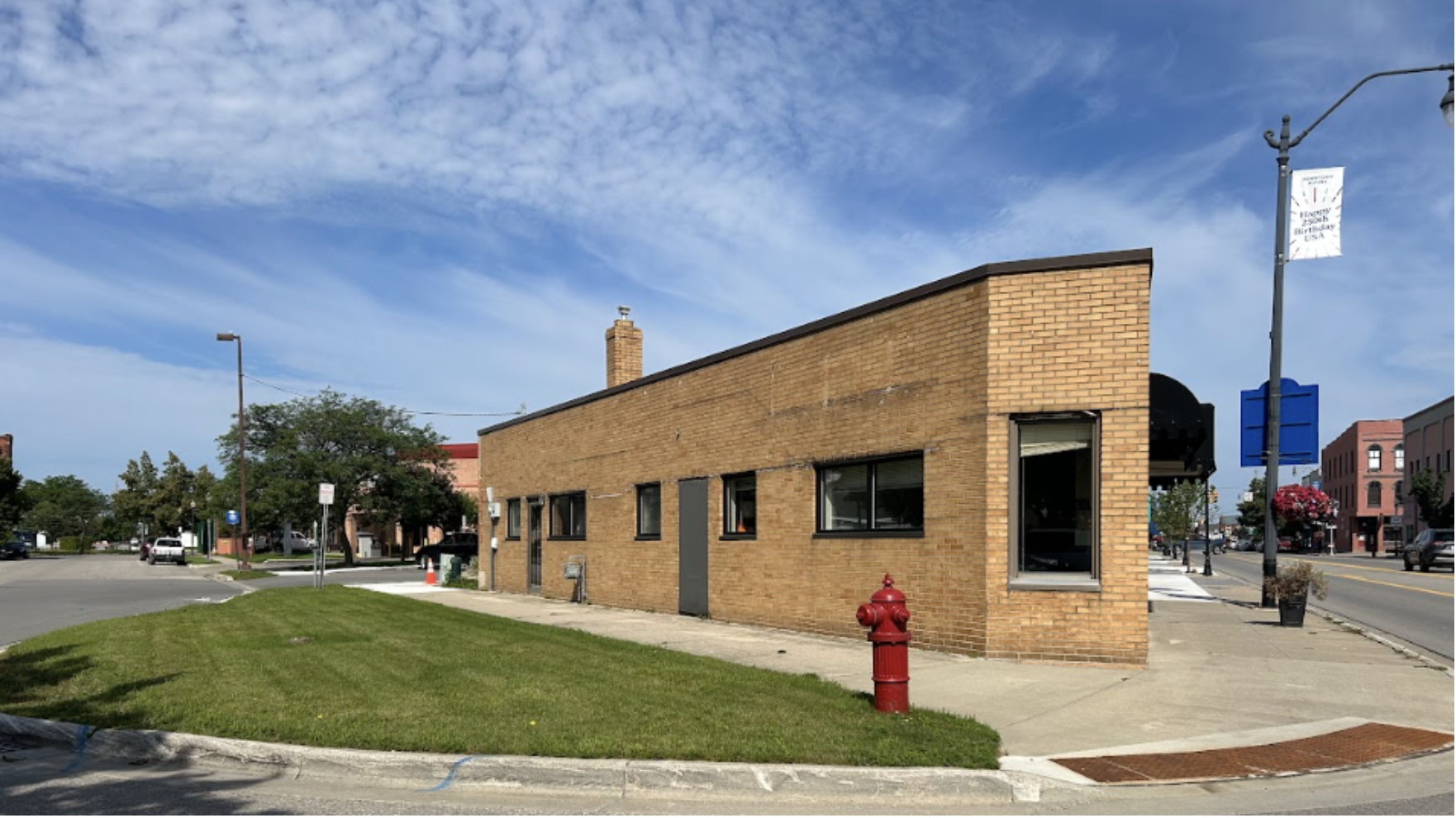
A lawn area next to the Downtown Development Authority building on East Washington Avenue will be converted to a rain garden where deep-rooted plants will capture and filter stormwater runoff from the roof and surrounding streetscape while serving as a community showpiece of native gardening.
A Model for Communities Around the Lake
Alpena's progress shows what's possible when local governments, conservation organizations and community members work together toward a shared goal.
Rather than relying solely on traditional stormwater infrastructure, the city is incorporating natural solutions into its public spaces, creating opportunities for residents and visitors to see water stewardship in action.
From rain gardens and shoreline restoration to community planning and education, every project contributes to a healthier lake for future generations.
This story was adapted from an article originally published by Huron Pines. Read the original story to learn more about the projects and partnerships behind them.